High-Net-Worth Client Platform Transformation
Digital Platform Modernization
Role
Director, UX & Design
Director, UX & Design
Scope
UX Strategy · UI Design · Platform Architecture · Application Solutions · Marketing Strategy · Brand Flex
The Business Goal
In wealth management, relationship depth drives retention.
Research consistently shows that the more meaningful touchpoints a client has with their financial institution, the stronger the trust, loyalty, and long-term asset growth. The mandate was clear:
Increase high-value client touchpoints by transforming the digital platform into a central relationship engine.
The strategy unfolded in phased transformation, balancing experience uplift, adoption growth, operational efficiency, and long-term scalability.


Phase One
Elevating the Digital Experience
The strategic objective of this multi-year transformation was to deepen client relationships by increasing meaningful digital touchpoints. In wealth management, trust is not built through a single interaction. It compounds over time through visibility, accessibility, and consistency. The more integrated the client becomes within the ecosystem, the stronger the relationship and long-term retention. The platform needed to evolve from a servicing utility into a relationship engine.
As Director of UX and Design, I led the strategy, experience architecture, UI modernization, and marketing enablement efforts across phased delivery, balancing business impact, regulatory complexity, and long-term scalability.
The first phase focused on strengthening the digital foundation. The high-net-worth servicing platform required modernization both functionally and visually. Performance reporting was reimagined to provide greater clarity and narrative coherence, transforming fragmented backend data streams into a unified front-end experience. Strategy overviews, historical performance visualization, and enhanced quarterly reporting allowed clients to better understand the story behind their portfolios rather than navigating isolated data points.
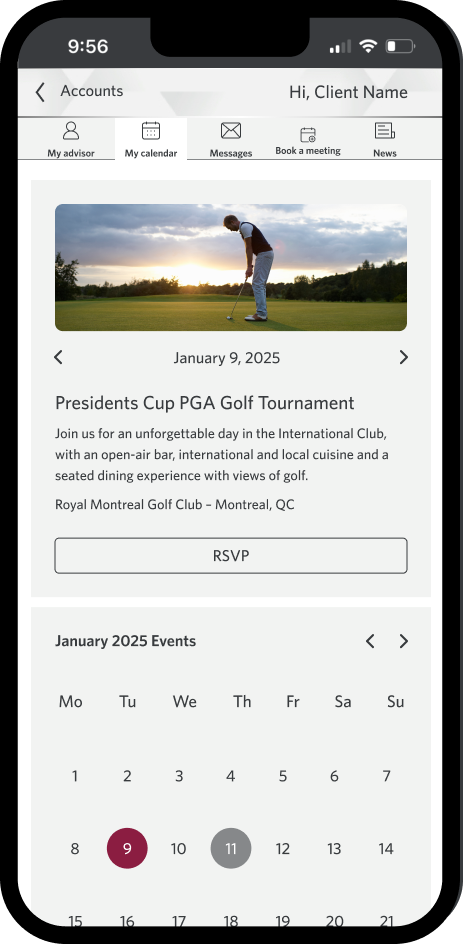
A comprehensive UI uplift modernized the visual language, improved hierarchy, strengthened accessibility, and elevated brand presence. At the same time, third-party service platforms were integrated to expand capabilities and enrich the ecosystem without increasing operational burden. Stronger digital client profiles were introduced to enable personalization and deepen advisor engagement, reinforcing the platform as a central touchpoint in the client relationship.
Phase Two
Digital Adoption & Self-Serve Onboarding
Objective:
Bring clients onto the platform and increase digital adoption.
Bring clients onto the platform and increase digital adoption.
To increase engagement, clients first needed seamless access. We designed a secure, self-serve digital onboarding framework capable of handling the complexity of high-net-worth compliance requirements. The solution enabled clients to self-register through a structured digital application, initiate backend profile creation, and receive credential communications securely via email. A whitelisted, multi-step confirmation process ensured data validation and regulatory integrity while maintaining clarity and ease of use. The onboarding journey transitioned clients from traditional offline engagement into secure digital participation, increasing touchpoints at the earliest stage of the lifecycle.


Phase Tree
Phase three centred on operational efficiency and expanded value delivery. Building upon earlier digital document initiatives, we completed the digitization of reporting and documentation across the servicing experience. Clients gained full digital access to trade confirmations, account statements, tax documents, quarterly performance reports, and realized gain and loss statements within their secure accounts. A preference management interface allowed users to switch between paper and digital delivery, empowering them to control their communication methods directly.
To drive adoption, we implemented a targeted in-platform marketing strategy using segmented messaging, splash pages, and contextual notifications. Campaigns emphasized convenience, enhanced security, and sustainability, reinforcing both client benefit and institutional responsibility. The result was measurable: an estimated five million dollars in cost savings over four years, driven by reductions in printing, mailing, and manual processing. Operational transformation aligned directly with improved client experience.
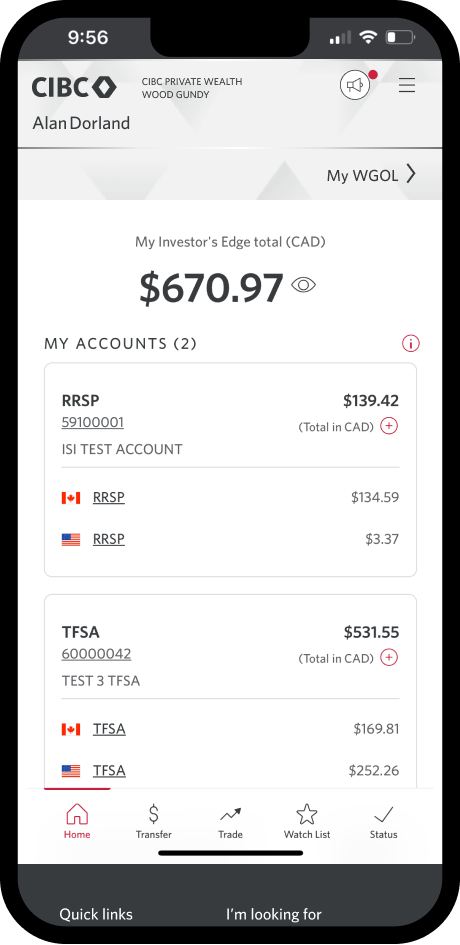
Looking forward, the next phase of evolution focuses on strengthening the mobile and adaptive experience. While the current platform operates responsively, the strategic direction is toward a more adaptive architecture that supports real-time portfolio visibility, personalized notifications, and enhanced advisor communication across devices. The ambition is to position the platform not as a periodic reporting destination, but as a continuously accessible financial companion.
This multi-year initiative transformed a traditional servicing environment into a scalable digital relationship infrastructure. By expanding capabilities, increasing adoption, and digitizing core processes, the platform evolved into a central hub for transparency, engagement, and trust. In wealth management, where relationships define value, the digital experience became a strategic asset rather than a support function.